
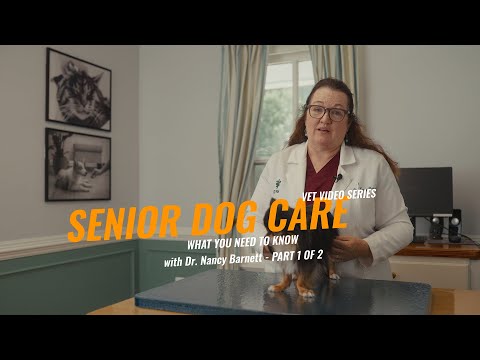
When does your dog become a senior? What are the first signs of aging to look out for? In this first part of our Senior Dog Care series, Dr. Nancy Barnett from Columbia Pike Animal Hospital, Town & Country Animal Hospital, and Animal Clinic of Clifton breaks down everything you need to know about supporting your aging dog.
In this video, Dr. Barnett covers:
✔️ What age is considered “senior” for small, medium, and large breeds
✔️ Common health concerns such as mobility issues, pain, and stiffness
✔️ Why “limping equals pain” and when to see your veterinarian
✔️ The importance of twice-yearly wellness exams and bloodwork
✔️ Nutrition and senior-specific diets
✔️ Early dental care and why it matters more as dogs age
✔️ Cognitive changes in older dogs and how to keep them safe and comfortable
🐾 Senior dogs still have so much love and joy to give. With the right care, you can help your best friend enjoy their golden years to the fullest.
💡 Ask us about our Wellness Plans designed to make senior care easier and more affordable. These plans include twice-a-year exams, comprehensive bloodwork, parasite preventatives, and credits toward non-emergency procedures — all important for senior health.
👉 Watch Part 2 next week for more on enrichment, supplements, and supporting your senior dog’s daily life.
📍 Columbia Pike Animal Hospital & Emergency Center (Annandale, VA)
📍 Town & Country Animal Hospital (Fairfax, VA)
📍 Animal Clinic of Clifton (Clifton, VA)
💻 Learn more about our veterinary care at:


My 11-year-old started limping after naps, and the vet suggested keeping her bed in a warmer spot away from drafts. Made a huge difference in her mobility. Great reminder about those early signs everyone misses.